Poverty
Where does this issue fit into the Sustainable Development Goals?
Goal 1: End poverty in all its forms everywhere
Poverty is more than the lack of income and resources to ensure a sustainable livelihood. Its manifestations include hunger and malnutrition, limited access to education and other basic services, social discrimination and exclusion as well as the lack of participation in decision-making. Economic growth must be inclusive to provide sustainable jobs and promote equality.
Facts & Figures
- 836 million people still live in extreme poverty
- About one in five persons in developing regions lives on less than $1.25 per day
- The overwhelming majority of people living on less than $1.25 a day belong to two regions: Southern Asia and sub-Saharan Africa
- High poverty rates are often found in small, fragile and conflict-affected countries
- One in seven children under age five in the world has inadequate height for his or her age
- Every day in 2014, 42,000 people had to abandon their homes to seek protection due to conflict
Find out more about this Sustainable Development Goal.
 Forced marriage continues the cycle of hunger and poverty. The Hunger Project India’s Adolescent Girls program aims to address the systemic barriers faced by adolescent girls in India through targeted activities that empower them and foster lasting change. The program’s aim is to delay marriage of the girls, by ensuring that they stay in school and step out as confident young women.
Project cost
0AUD 20,000
19,777
Raised from 2,861 people
 This project supports young children’s learning and wellbeing by enabling parents and caregivers to practice positive nurturing care during the ongoing food crisis in Kenya. This will be done by providing evidence-based educational content and multimedia messaging and activities.

AUD 28,017
Raised from 3,755 people
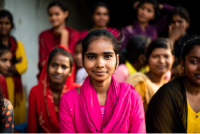 The Adolescent Girls’ program provides training and education to 1,400 at-risk girls in Bihar, India. The program’s aim is simple yet effective: to delay forced marriage of the girls, by ensuring that they stay in school and step out as confident young women.

AUD 25,005
Raised from 3,889 people
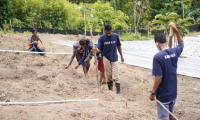 Improving irrigation will help to address persistent high rates of malnutrition - driven by poverty, insufficient access to water, poor knowledge about nutrition, and low agricultural production, exacerbated by climate change.
AUD 25,001
Raised from 3,803 people
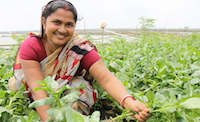 To strengthen community resilience to prepare and respond to the risks associated with disasters and climate change by fostering economic empowerment, inclusive leadership and disaster preparedness.
AUD 30,001
Raised from 8,679 people
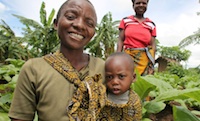 CARE will work with 20,000 women from 1,000 village savings and loans groups in Lilongwe, Dowa and Kasungu Districts, to overcome chronic hunger by expanding their farms or micro-businesses. It will facilitate women’s access to finance, training and markets.
AUD 25,004
Raised from 10,275 people
 This program will support poor, rural farming families in Ratanakiri and Koh Kong Provinces through farmer training, provision of water and sanitation services, health programs and development of home gardens.
AUD 25,000
Raised from 11,523 people
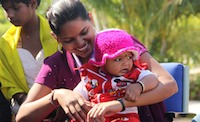 This project improves the the lives of women and children who have been found living on the streets of Pune, India through maintaining the Safe Home they live in with a new coat of paint and purchase of essential hygiene supplies.
AUD 565
Raised from 259 people
 As an alternative to Schoolies, 18 Mosman High year 12 students are travelling to Cambodia to build houses for local Cambodians living in poverty. All donations made by Travel Insurance Direct customers will be matched dollar to dollar to meet the target of funding the materials to build seven houses.
AUD 5,288
Raised from 2,659 people
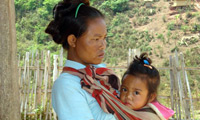 Reduce rural poverty by creating sustainable incomes from a 'goat bank'
AUD 27,002
Raised from 11,164 people
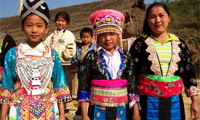 Construction of an affordable and effective bridge to improve access to highland farmland & secure food sources, also allowing trekkers to visit the village and create eco-tourism income.
AUD 5,501
Raised from 1,926 people
 Teach 8000 highlanders how to culture drought resistant crops, increase food security and improve nutrition.
AUD 20,408
Raised from 7,405 people
 Develop rural transportation and market infrastructure to encourage entrepreneurship and link rural communities with essential services in two sub-districts of Bobonaro.
AUD 20,412
Raised from 8,185 people
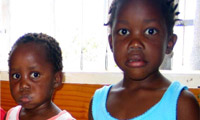 Feeding orphans and other vulnerable people, and providing them with everyday care and sustainable food security.
AUD 20,011
Raised from 7,503 people
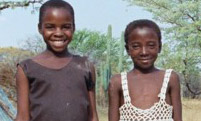 Provide educational support and care to 30 Orphans affected by HIV/AIDS in Zimbabwe
AUD 6,304
Raised from 2,198 people